


We Make Your Science Safe, Sustainable, & Successful. Client-focused Process Safety Support

Who are we

At Enthalpy Labs, we are driven by a passion for precision, innovation, and safety. We provide world-class process safety testing and customized solutions for the pharmaceutical and chemical industries—Hand Holding support to execute safe scale-up, safe storage, and safe operations.

Technically supported by Mettler Toledo’s advanced technology and guided by a team of seasoned experts, we deliver reliable data, safer processes, and excellence in every result.

Our commitment is to build trust, enable safer operations, and advance scientific progress for a sustainable future.

Our Services

We provide advanced thermal and process safety analysis solutions with unmatched precision and reliability. Our expertise helps industries optimize processes, ensure safety, and generate accurate data to support research and development.

At Enthalpy Labs, we deliver comprehensive, tailored solutions designed to meet your specific needs—building confidence, enabling safe scale-ups, and driving sustainable innovation.

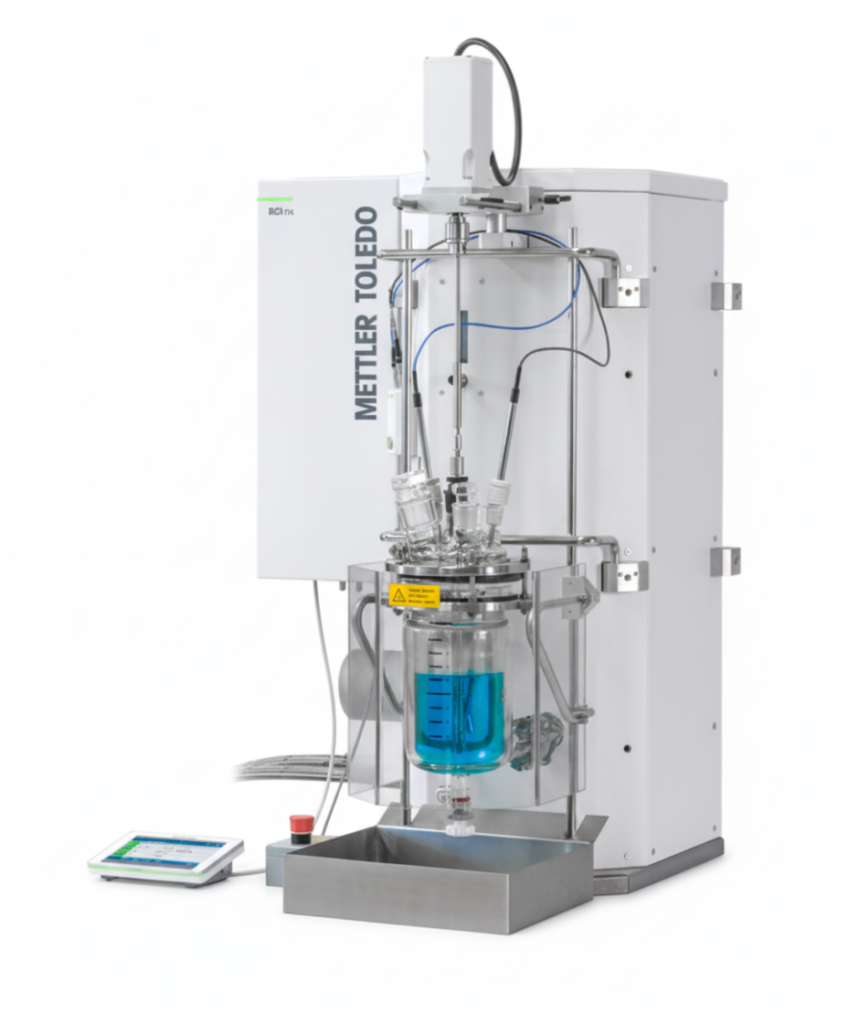
Reaction Calorimetry Studies 
Our Reaction Calorimetry Studies provide detailed insights into the heat released or absorbed during chemical reactions. These studies deliver critical data on reaction enthalpy, thermal stability, and heat transfer, enabling safe process scale-up, optimized reactor design, and improved operational safety in pharmaceutical and chemical manufacturing.
Key Benefits of Reaction Calorimetry Studies:

  • Real-Time Insights: Measures heat flow in real time while maintaining controlled process temperatures.
  • Risk Identification: Detects potential thermal hazards and supports safer process development.
  • Optimized Reactions: Helps identify optimal reaction conditions for efficiency and safety.
  • Scale-Up Data: Provides accurate thermal data essential for safe and reliable process scale-up.
  • Process Variables: Evaluates the effect of agitation, viscosity, liquid level, and composition on reaction dynamics.
  • Heat Transfer Accuracy: Allows calibration of heat transfer coefficients before and after reactions for precise analysis.
    Industrial Application: Widely used in pharmaceuticals and chemicals to design safe, efficient, and sustainable processes.
    Energy Efficiency: Improves energy use, reduces waste, and enhances overall process sustainability.

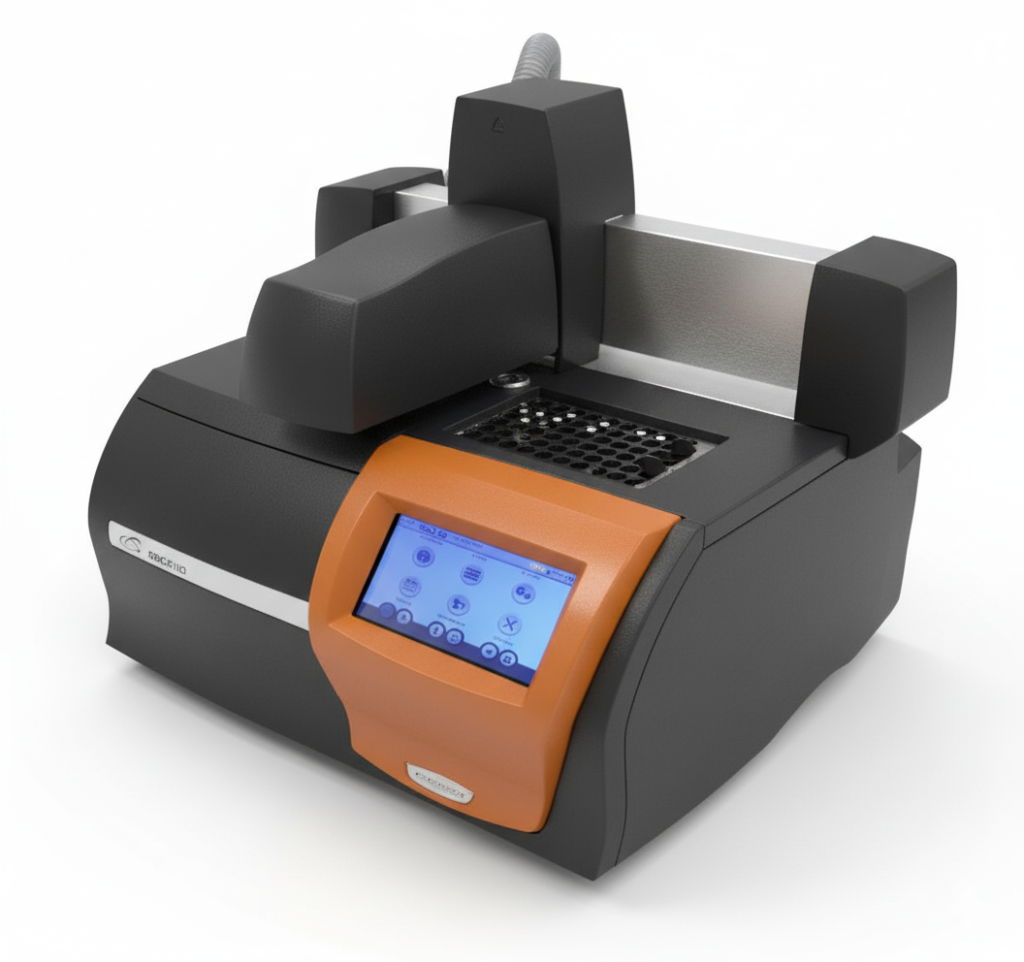
Differential Scanning Calorimetry (DSC) is a thermal analysis technique that measures changes in the physical properties of a sample as it undergoes temperature variation. It provides data on temperature and heat flow during material transitions, aiding in the understanding of thermal behavior.

  • Tracks endothermic and exothermic reactions in real-time.
  • Identifies key transitions like melting points and crystallization.
  • Used for material stability, purity, and quality control.
  • Supports product development in industries like pharmaceuticals and polymers.

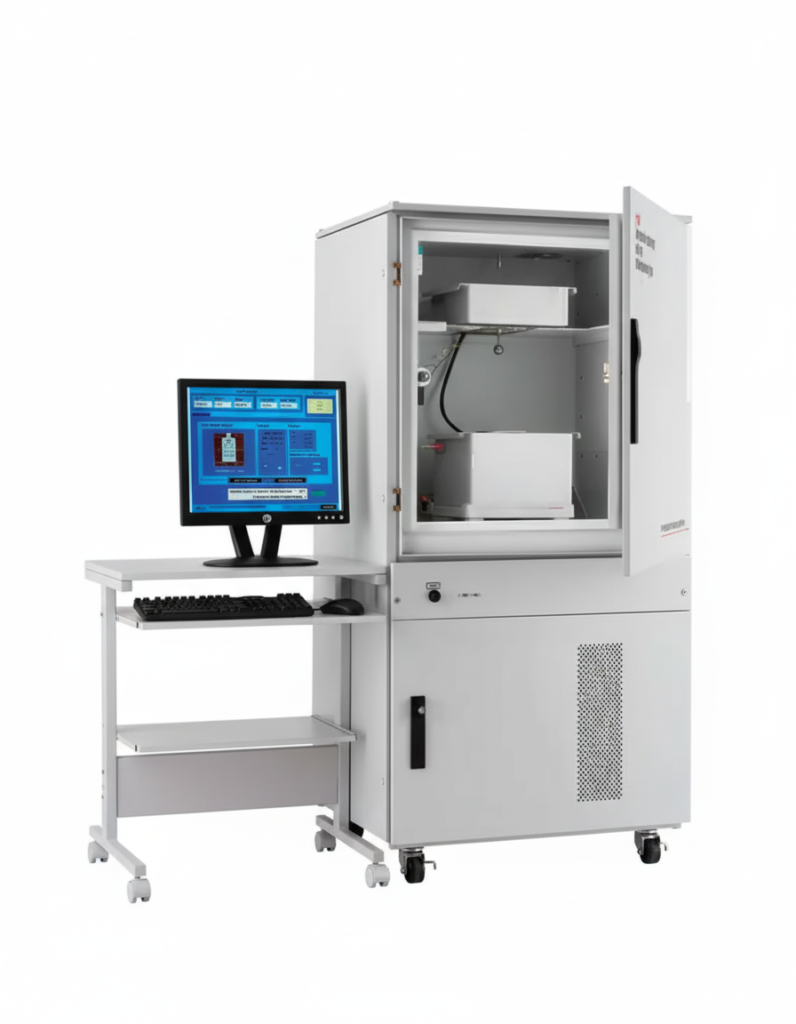
The Accelerating Rate Calorimeter (EsARC) is a specialized thermal analysis tool used to evaluate the thermal stability of hazardous materials. It provides critical data on self-heating rates and pressure, aiding in reaction kinetics modeling and safety calculations.

  • Measures heat and pressure changes during uncontrolled reactions.
  • Helps in determining safe storage and handling conditions for reactive materials.
  • Essential for calculating relief vent sizing in high-risk industrial applications.
  • Widely used in the chemical, pharmaceutical, and energy sectors for safety analysis.
  • Supports kinetic modeling for better understanding of reaction behaviors under varying conditions.
  • Identifies onset temperatures for exothermic reactions, aiding in risk assessment.
  • Provides valuable insights for safe process scale-up in industrial settings.
  • Allows for precise monitoring of reaction pressure to prevent containment failure.
  • Plays a key role in assessing decomposition hazards and thermal runaway risks.

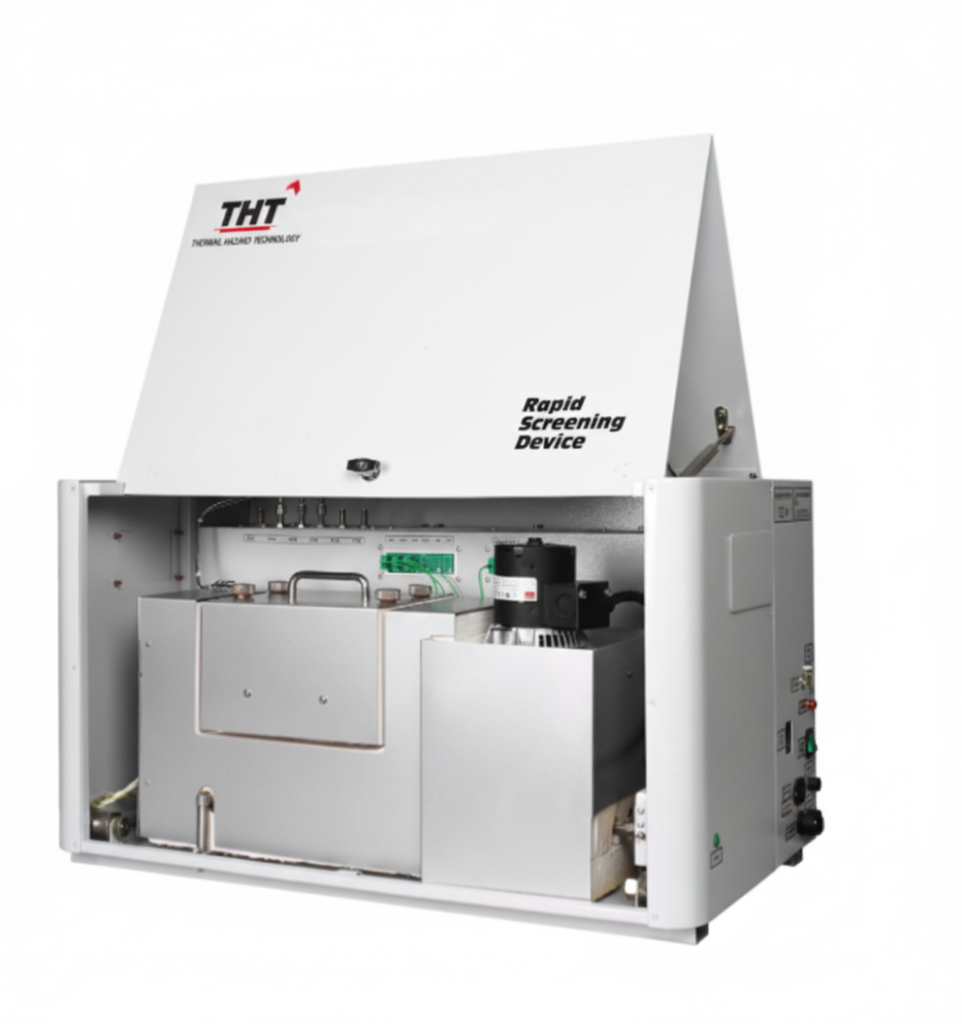
The Rapid Screening Device (RSD) enables chemists and engineers to assess exothermic and endothermic reactions across a range of materials, from low-hazard substances to high explosives. It uses a controlled airflow system and thermocouple regulation for precise measurements.

  • Quantifies thermal reactions to ensure safe handling of reactive materials.
  • Uses a high-temperature fan for consistent gas circulation during testing.
  • Ideal for screening hazardous and energetic materials efficiently.
  • Provides crucial data for risk assessment and safe storage practices.
Dust Explosion Screening Studies
A preliminary test to assess whether a powder is combustible and capable of producing an explosion. This screening identifies potential hazards at an early stage and determines the need for advanced characterization.
Minimum Ignition Energy (MIE) – Studies
Determines the lowest energy required to ignite a dust cloud under controlled conditions. This data helps evaluate sensitivity to electrostatic discharges and supports the design of safe handling and transfer systems.
Minimum Ignition Temperature Cloud (MIT) - – Studies
Identifies the lowest temperature at which a dust cloud can ignite when exposed to a hot surface. This information is crucial for preventing ignition in dryers, heaters, and process equipment.
Burning Behaviour – Studies
Evaluates whether a powder is flammable and the intensity of its burning behaviour. This test helps classify powders for safe storage, handling, and compliance with safety standards.
Kst, Pmax, MOC, LOC, MEC – Studies
Kst (Deflagration Index): Measures the explosion severity of dust. Pmax: Maximum explosion pressure of a dust cloud. MOC (Minimum Oxygen Concentration): Lowest oxygen level required for combustion. LOC (Limiting Oxygen Concentration): Oxygen concentration below which ignition cannot occur. These parameters guide explosion protection system design, vent sizing, and Inerting strategies. MEC (Minimum Explosible Concentration): Lowest dust concentration in air that can propagate an explosion.
Shock Sensitivity/ Impact Sensitivity – Studies
Determines how sensitive a powder is to mechanical shocks or impacts. This ensures safe handling during transportation, grinding, and milling operations.
Layer Ignition Temperature (LIT) – Studies
Determines the lowest temperature at which a layer of powder (usually 5–50 mm thick) ignites on a hot surface. This is important for preventing fires in equipment where powder layers may accumulate.
Charge Decay Analyzer – Studies
Assesses how quickly electrostatic charges dissipate from powders. Slow charge decay indicates higher static build-up risk, which could lead to ignition during powder handling, transfer, or pneumatic conveying.

The Perfect Solution for Thermal Analysis and Safety

Understanding and managing thermal processes is critical for innovation and safety in industries. At Enthalpy Labs, we offer comprehensive analysis and consulting services for all levels of thermal risk and reaction management.

Heat Flow Analysis

Comprehensive assessment of reaction heat profiles to ensure safe scaling in industrial processes.

Process Safety Optimization

Tailored safety protocols to prevent thermal hazards in chemical production.

Deep Analysis

In-depth analysis of materials under controlled thermal conditions for accurate stability data.

Risk Assessment Consulting

Detailed reports and recommendations to support compliance and safe operations.

Thermal Kinetics Modeling

Advanced modeling for predicting reaction behavior and optimizing processes.

Custom Equipment Solutions

Guidance on selecting and calibrating equipment for specific thermal analysis needs.

What Our Clients Say

At Enthalpy Labs, we pride ourselves on delivering exceptional thermal analysis and testing services that exceed industry standards. Here’s what our clients from diverse sectors have to say about their experience working with us.

Innovative Solutions at Your Fingertips

Dedicated to pushing the boundaries of thermal analysis and chemical testing. Join the forefront of innovation and precision.

Browse

About Us

Enthalpy Labs is a cutting-edge thermal analysis and chemical testing company based in Hyderabad, India. We specialize in precise, reliable solutions that drive innovation and efficiency in various industries. Our team is dedicated to delivering exceptional results and fostering a future of scientific excellence.

Email       : info@enthalpylabs.com
Phone      : +91 917 7617 475

© 2024 | Enthalpy Labs Private Limited